Skip to content
Invest HatayInvest Hatayby Burç Consulting

Opening a Restaurant in Antakya: Cost, Licensing and Process

3/5/2026 · 8 min read

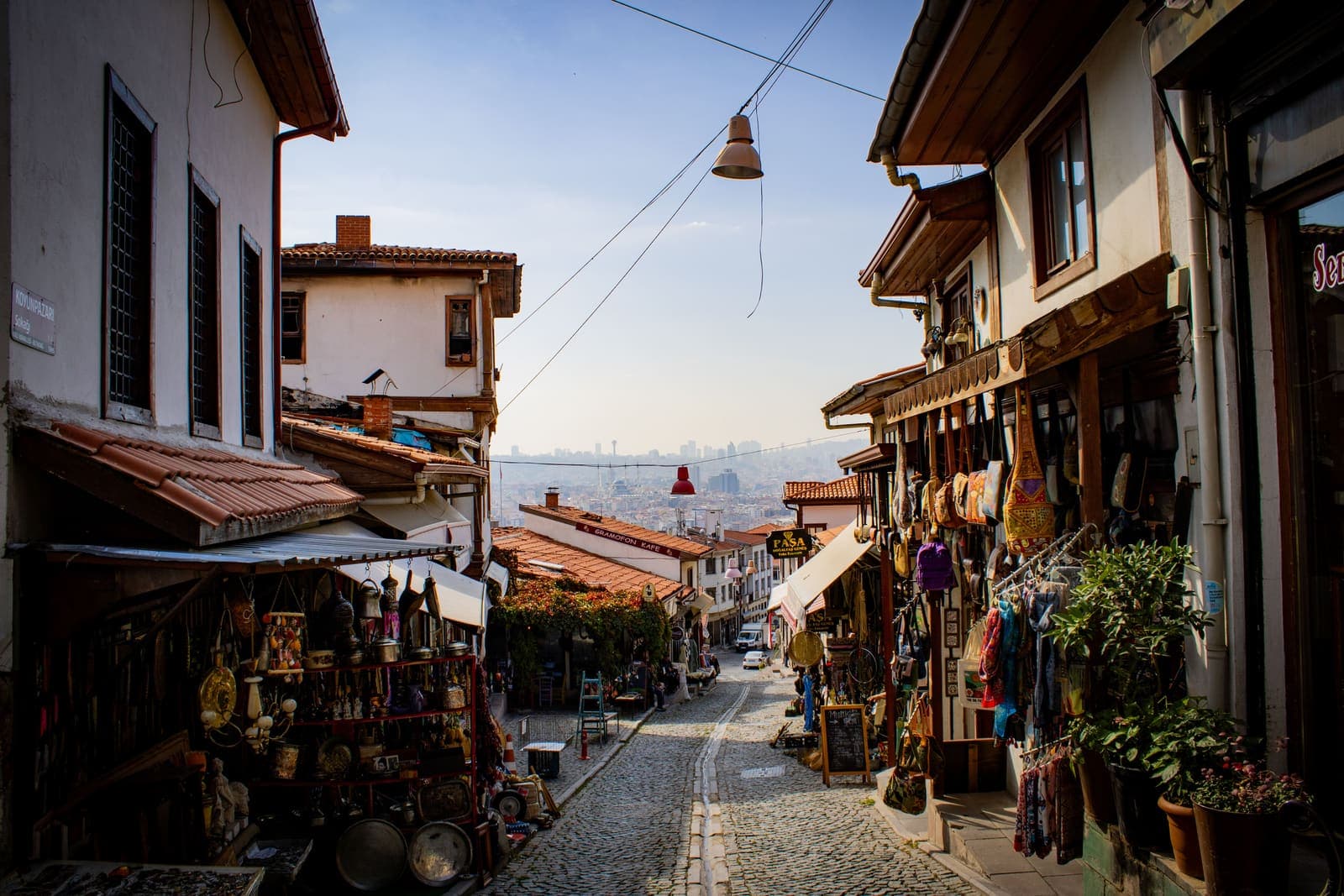
A traditional Turkish bazaar (representative image)

Antakya's UNESCO-recognized gastronomy identity makes it an attractive place to open a restaurant, but getting the process right matters as much as the concept itself. This article covers the realistic steps, from site selection to licensing.

How to Choose the Right Location

Choosing a restaurant location in Antakya shouldn't be based on foot traffic alone: weigh the population density of rebuilding neighborhoods, proximity to accommodation, and distance from tourist routes too. The area around Uzun Çarşı and the city center stand out for their proximity to the historic fabric, while newly built residential zones offer strong daily-customer potential.

What Are the Main Cost Items?

The core cost items for opening a restaurant are:

  • Property lease or purchase price
  • Interior design and fit-out
  • Kitchen equipment and refrigeration systems
  • Business license and food-safety certification
  • Initial staffing and supply-chain costs

The total varies significantly by venue size, concept tier and whether you're converting an existing building. That's why we build a dedicated feasibility model for each project rather than quoting a general figure.

Licensing and Food Safety

The business license application goes through the municipality, alongside food-safety certification and, where relevant, an alcohol license. If you're using an existing building, its zoning status and structural suitability for commercial use need to be checked upfront.

The Advantage of Antakya's Cuisine

Antakya cuisine's international recognition is a genuine marketing advantage: building your concept around 'authentic Antakya flavors' creates natural appeal for local and international visitors alike. Building the right relationships with local suppliers (olive oil, spices, meat products) matters just as much for cost control as for authenticity.

Conclusion

Opening a restaurant in Antakya can be a strong investment when planned around the right location, a realistic budget and a clean licensing process. Through our Tourism Investment Consulting service, we turn your concept into a concrete opening plan.

From the official data

Distribution of Food Businesses by District

According to the district table in the Provincial Directorate of Agriculture and Forestry's 2025 Activity Report, the number of food businesses registered with district directorates totals 10,825. İskenderun (1,650) and Antakya (1,470) rank first and second.

IndicatorValueYearSource
İskenderun1,6502025[1]
Antakya1,4702025[1]
Samandağ1,2332025[1]
Arsuz1,2202025[1]
Defne1,0592025[1]
Dörtyol9162025[1]
Reyhanlı6012025[1]
Kırıkhan5352025[1]
Altınözü4492025[1]
Hassa3732025[1]
Yayladağı3482025[1]
Payas3292025[1]
Belen3082025[1]
Erzin2682025[1]
Kumlu662025[1]

What does this data mean for an investor?

The top four districts (İskenderun, Antakya, Samandağ, Arsuz) hold 51% of businesses. It is notable that Samandağ and Arsuz rank ahead of the more populous Defne and Dörtyol, which suggests food production and sales are registered more densely in coastal districts than population alone would predict (interpretation). It is a starting point for reading competitive density district by district for restaurant, central-kitchen or food-brand investments.

Limitation: The count is registered food businesses subject to inspection; the type (restaurant, producer, retail) and size of business are not in the table. The “2025 realisation” and “2026 target” columns of the same table may relate to the inspection programme and were not used. A further 688 businesses are registered with the provincial Food and Feed Branch and are not allocated to districts.

Pages related to this data

Tourism: Pre-Earthquake Baseline and the Development Agency's 2025 Records

According to the Hatay Provincial Tourism Strategy and Action Plan of the Eastern Mediterranean Development Agency (DOĞAKA), Hatay had 45 tourism-licensed accommodation facilities, 2,273 rooms and 4,602 beds in 2016 data. These figures describe the situation before the 2023 earthquake; current facility and bed numbers are not in these sources. The agency's 2025 activity report records current tourism projects (Antakya Gastronomy Market, Madenli Yacht Harbour, Hatay Surf Centre).

IndicatorValueYearSource
Tourism-licensed accommodation facilities452016[1]
Rooms · beds2,273 · 4,6022016[1]
Rooms · beds in Antakya (subtotal)754 · 1,5222016[1]
Tourism-licensed food-and-beverage facilities · travel agencies10 · 862016[1]
Average annual tourists (entries to licensed facilities)223,3042009–2015[1]
Average nights · average occupancy (DOĞAKA calculation)1.9 · 34.4%2009–2015[1]
Antakya Gastronomy Market: opened · daily visitors · businesses27.09.2024 · about 3,000 · 152024–2025[2]
Hatay Surf Centre (2025 CMDP): completion targetApril 20262025[2]

What does this data mean for an investor?

About 33% of the pre-earthquake capacity (1,522 beds) was in Antakya's centre. The present state of this capacity cannot be read from these sources; without the Ministry of Culture and Tourism's current licensed-facility data no accommodation supply figure can be given. By DOĞAKA's calculation, average occupancy in licensed facilities during 2009–2015 was 34.4% with 1.9 nights on average: pre-earthquake demand used only a small part of existing bed capacity. The agency read this as roughly two thirds of accommodation capacity going unused.

What it means for an investor: for a new hotel or boutique-lodging decision, the first question should not be “are beds missing?” but “where will occupied beds come from?”; low pre-earthquake occupancy shows the demand side (visitor numbers, length of stay) matters more than the structure. As current demand indicators, Hatay Airport passenger data (the air-traffic block on this page), new visitor-drawing sites such as the Gastronomy Market and the museum's reopening timetable should be followed together (interpretation).

Limitation: Accommodation and visitor figures refer to 2016 and 2009–2015; they rest on Hatay Provincial Directorate of Culture and Tourism data in the DOĞAKA plan and do not reflect the 2023 earthquake. The plan's “occupancy” is a rough ratio of annual tourist numbers to bed capacity, not true room occupancy. The plan's visitor and revenue projections for 2023 should be assumed not to have materialised and are not used as reference. The 2025 items are project statuses from the development agency's activity report; visitor numbers (Gastronomy Market) are the agency's statement.

Figures come from official sources; interpretations are Invest Hatay's own and are not investment advice.