Skip to content
Invest HatayInvest Hatayby Burç Consulting

A region where history, nature and flavor meet

Hatay isn't only an investment region: it's a place worth exploring, with thousands of years of history, a UNESCO-recognized cuisine and a Mediterranean coastline. That richness directly feeds the region's tourism investment potential.

A UNESCO Creative City of Gastronomy: Antakya

Antakya's cuisine took shape over centuries in a land where different cultures lived side by side. UNESCO's gastronomy city status is the international recognition of that culinary richness.

01

Künefe

Antakya's world-renowned dessert, made with fine shredded pastry and a special cheese.

02

Hummus & Muhammara

Essential mezze of the regional cuisine, enriched with pomegranate molasses and walnuts.

03

Oruk & İçli Köfte

Bulgur-shelled stuffed dumplings and köfte, distinctive to the region.

04

Katmer & Sıkma

A staple of the local breakfast table, made from thin layered dough.

05

Ekşili Köfte

A distinctive tart köfte dish made with pomegranate molasses and charred vegetables.

06

Olive Oil & Zahter

Cold-pressed olive oil from Hatay's groves, paired with a thyme-based zahter blend.

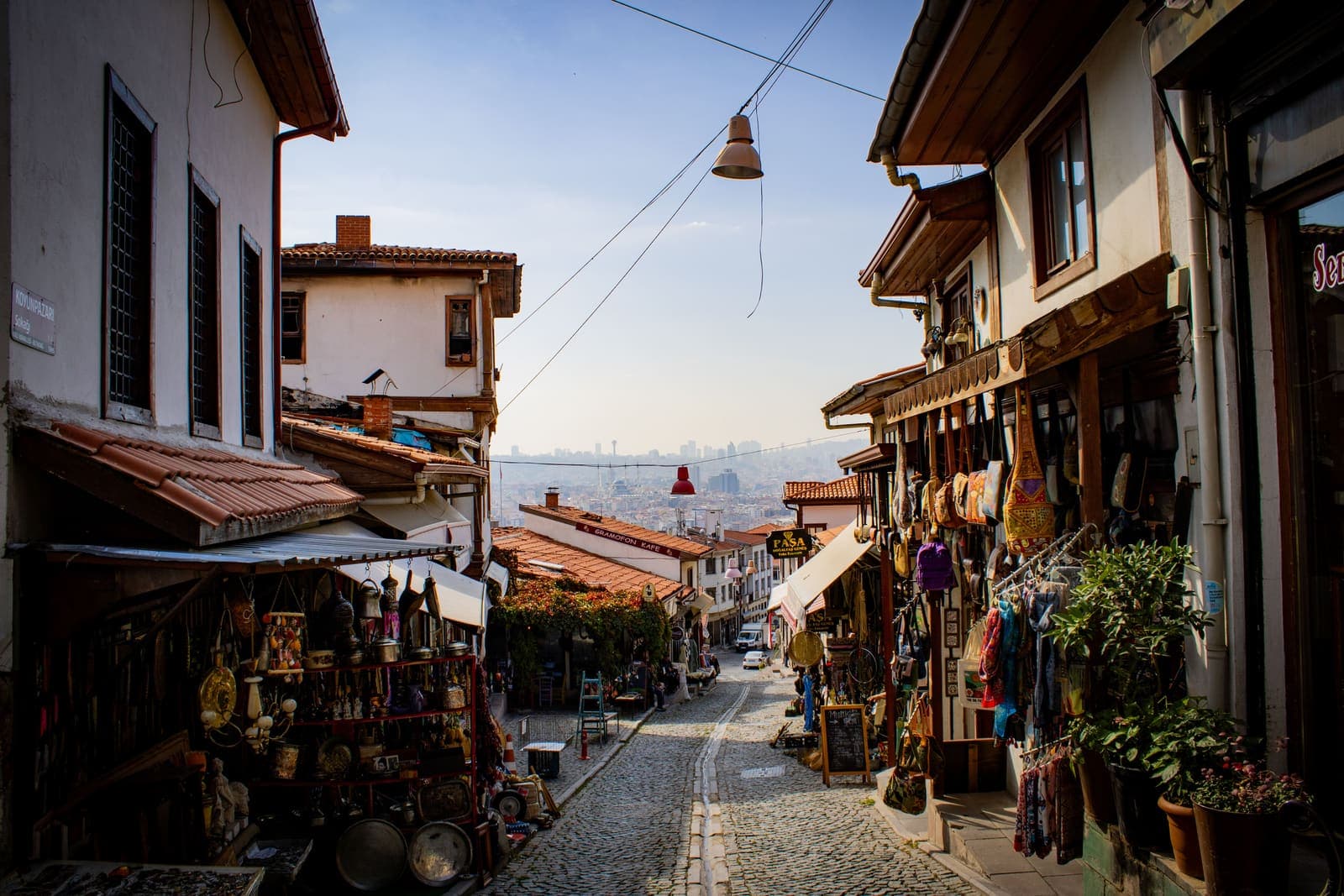
Traditional Turkish bazaar (representative image)

Following the trail of a millennia-old heritage

Known in antiquity as Antioch, Antakya was home to a succession of different civilizations throughout history. That heritage still greets visitors today, through its mosques, churches and museums.

Habib-i Neccar Mosque

Considered one of Anatolia's first mosques, historically and religiously significant.

Church of St. Peter

One of the earliest churches in Christian history, notable for its architecture carved into rock.

Antakya Archaeology Museum

Home to one of the world's richest mosaic collections.

Titus Tunnel (Samandağ)

A Roman-era water engineering structure: an impressive tunnel carved through rock.

Uzun Çarşı (Long Bazaar)

Antakya's centuries-old historic bazaar, where craft and local flavor meet along one route.

The Orontes River (Asi)

The historic river splitting the city in two, lined with riverside walking and rest areas.

From the Mediterranean to the Amanos Mountains

Hatay's geography offers rich natural diversity, from the coast to the mountains.

Samandağ Beach
Hatay's longest Mediterranean coastline, and a nesting ground for sea turtles.
Harbiye (Defne) Waterfalls
A lush, green area popular for hiking and nature tourism.
Amanos Mountains
A mountain range with rich vegetation, ideal for hiking and photography.
Vakıflı Village
Türkiye's only village with an entirely Armenian population, also known for organic farming.

Hatay's 15 districts, 15 investment profiles

With Antakya and Defne as its two central districts, Hatay comprises 15 districts in total. Each has its own investment character, spanning housing, industry, tourism and agriculture.

Antakya

The province's central district, at the heart of the post-earthquake reconstruction effort, with the highest demand for residential and commercial property.

Defne

One of the central districts created in 2012; home to the Harbiye waterfalls, with investment potential in both tourism and new housing projects.

İskenderun

An industrial and logistics hub, home to Türkiye's 3rd-busiest port; stands out for production investment thanks to its organized industrial zone.

Arsuz

A Mediterranean coastal district on the radar of tourism investors for its beaches and boutique hospitality potential.

Samandağ

Home to Hatay's longest coastline, known for its sea-turtle nesting grounds and coastal tourism.

Dörtyol

The center of citrus production, offering a strong base for agricultural and food-processing investment.

Erzin

A fast-developing district for industrial investment, home to the 175-hectare Erzin Organized Industrial Zone.

Kırıkhan

A trade hub with a strong agricultural and livestock base, positioned on the İskenderun-Gaziantep corridor.

Reyhanlı

One of the main trade crossing points on the Syrian border, carrying cross-border trade potential.

Belen

At the foot of the Amanos Mountains, known for nature tourism and highland houses.

Hassa

Developing around industrial investment, with the Hassa Organized Industrial Zone targeting 30,000 jobs.

Altınözü

A district with concentrated olive production, offering rural tourism and agricultural investment opportunities.

Payas

A coastal district created in 2012, suited to logistics investment thanks to its port connection and industrial infrastructure.

Kumlu

A small, agriculture-focused district near the border, suited to agricultural production investment.

Yayladağı

A quiet district on the Syrian border, known for olive and agricultural production.

A strong base in agriculture, logistics and industry

Hatay's investment appeal isn't just tourism. With İskenderun Port, organized industrial zones and fertile farmland, the region also has a strong foundation for production and trade.

İskenderun Port

Facilities under the İskenderun Regional Port Authority handled 70.9 million tons of cargo in 2025, ranking third in Türkiye after Aliağa and Kocaeli.

Organized Industrial Zones

OIZs spread across Hatay offer production capacity in textiles, food, chemicals and logistics.

Olive & Citrus Production

As of 2023, TÜİK data ranks Hatay 3rd in Türkiye for olive production (178,933 tons) and 5th for olive tree count (14.2 million trees).

Hatay Airport

Domestic flight connections linking the region to Türkiye's major cities, making access straightforward.

Access within and to the region keeps improving

Post-earthquake reconstruction has also accelerated transportation and infrastructure investment.

Hatay Airport links the region to Türkiye's major cities, including Istanbul, Ankara and İzmir, via domestic flights. By road, the province sits on the main routes connecting to Gaziantep, Adana and Mersin, while border crossings with Syria reinforce regional trade links.

Facilities under the İskenderun Regional Port Authority handled 70.9 million tons of cargo in 2025, making it Türkiye's 3rd-busiest port; that capacity is a meaningful advantage for industrial and logistics investment.

Road, water and electrical infrastructure have been largely rebuilt since the earthquake; per Türkiye's Ministry of Environment, Urbanization and Climate Change, 153,755 homes and workplaces had been completed in the province by the end of 2025. For owners who want to manage a property from abroad, our Remote Property Management service handles the process on your behalf.

How easy is it to settle in and set up a business?

Compared with major investment hubs like Istanbul or Antalya, Hatay offers a more accessible alternative in terms of cost of living and the ease of setting up a business.

The region is served by Mustafa Kemal University along with public and private healthcare facilities, education institutions, and hospital infrastructure rebuilt since the earthquake. Overall cost of living, rent and daily expenses sit noticeably below Türkiye's major western coastal cities.

For foreign investors, setting up a company or branch starts with a free tax ID number issued at the tax office with just a passport, in 15-30 minutes. Our Branch & Office Setup Consulting and Bank Account & Payment Setup services support you through every step.

Which district fits which investment type?

Choosing the right district for your investment goal makes a real difference in returns and how quickly things move.

For residential and commercial property, Antakya and Defne sit at the center of the reconstruction effort; for industrial investment, İskenderun, Erzin and Hassa stand out with their organized industrial zones; for tourism, the coastal districts of Arsuz, Samandağ and Belen lead; and for agricultural production, Dörtyol, Altınözü, Kırıkhan, Kumlu and Yayladağı are the districts to watch.

We can assess post-earthquake opportunities together through our Post-Earthquake Investment Opportunities service, industrial zone investment through Industrial Zone (OIZ) Investment Consulting, and tourism investment through Tourism Investment Consulting.

This richness is the foundation of the tourism opportunity

When historic character, a gastronomy identity and natural beauty come together, investment opportunity follows: from boutique hospitality to experience tourism, from restaurants to cultural tourism. Our Tourism Investment Consulting service is where we help you assess that potential.

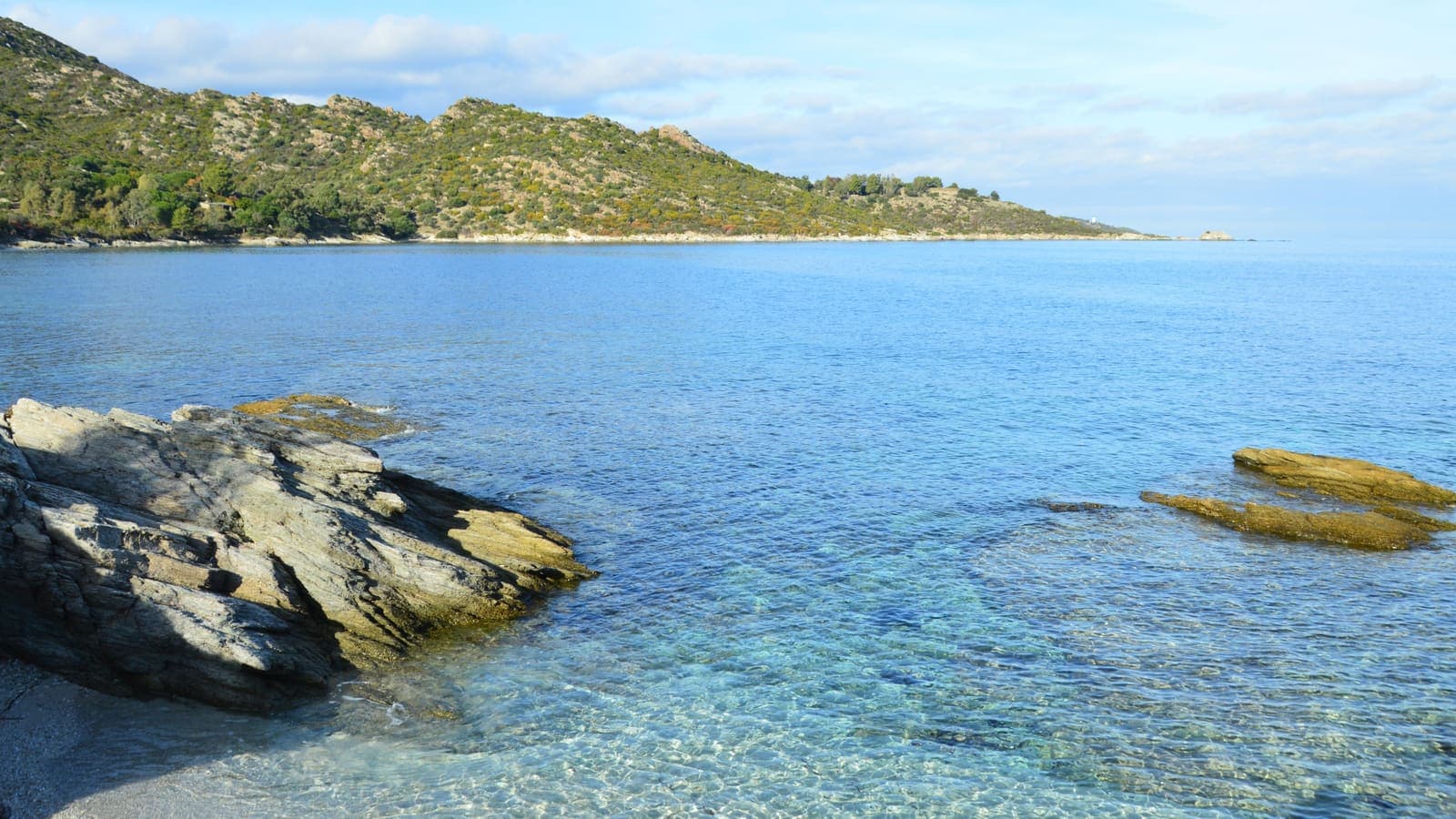
Mediterranean coastline (representative image)

From the official data

Population and Annual Change in the 15 Districts

The table lists district populations at 31 December 2025 and the 2024–2025 annual growth rate. All 1,577,531 residents are registered in province and district centres (there is no separate town/village population).

IndicatorValueYearSource
Antakya301,855 (7.55‰)2025[1]
İskenderun228,149 (−16.42‰)2025[1]
Defne139,605 (−9.59‰)2025[1]
Dörtyol132,987 (11.03‰)2025[1]
Samandağ122,952 (10.56‰)2025[1]
Reyhanlı117,645 (28.07‰)2025[1]
Arsuz115,077 (49.22‰)2025[1]
Kırıkhan108,200 (10.19‰)2025[1]
Altınözü69,834 (19.29‰)2025[1]
Hassa57,457 (16.07‰)2025[1]
Payas44,530 (10.32‰)2025[1]
Erzin43,103 (15.97‰)2025[1]
Yayladağı42,019 (3.50‰)2025[1]
Belen37,876 (57.63‰)2025[1]
Kumlu16,242 (−5.53‰)2025[1]

What does this data mean for an investor?

12 of the 15 districts gained population. Fastest growth: Belen (57.63‰), Arsuz (49.22‰), Reyhanlı (28.07‰). Districts that lost population: İskenderun (−16.42‰), Defne (−9.59‰), Kumlu (−5.53‰). The three largest districts (Antakya, İskenderun, Defne) hold 42.4% of the total.

What it means for an investor: fast growth along the coast (Arsuz) and in Belen and Reyhanlı suggests demand is spreading beyond the central districts, but the table does not explain why. In small districts (e.g. Kumlu, Belen) a change of a few hundred registrations produces a large per-mille rate, so rates should be read together with absolute numbers.

Limitation: The per-mille growth rate covers one year; it is not a lasting trend and can be affected by address-record changes. A multi-year district series is not used here: the 2024 district column published by the Governorship is inconsistent with TurkStat's growth rates for two districts, so only TurkStat's 2025 table is used.

Housing Sales: Before and After the Earthquake

TurkStat's house-sales statistics, based on title-deed records, show 23,120 homes sold in Hatay in 2022 (sum of the districts listed in the district table), 10,538 in 2023, 13,919 in 2024 and 15,992 in 2025. Hatay accounted for 0.95% of the 1,688,910 homes sold nationwide in 2025.

IndicatorValueYearSource
Homes sold23,1202022[1]
Homes sold10,5382023[1]
Homes sold13,9192024[1]
Homes sold15,9922025[1]
First-hand share (Türkiye: 32.0%)25.3%2025[1]
Mortgaged share (Türkiye: 14.0%)7.7%2025[1]

What does this data mean for an investor?

Sales fell 54% in 2023 versus 2022, then rose to 13,919 in 2024 and 15,992 in 2025 (14.9% on the previous year; Türkiye +14.3%). The 2025 volume is roughly 69% of the 2022 volume: transaction activity is recovering but has not reached its pre-earthquake level. Hatay's share of national sales was 0.94% in 2024 and 0.95% in 2025.

The mortgaged share (7.7%) is below the national average (14.0%), while the first-hand share (25.3%) is above it (32.0%). Together they suggest that deals are relatively mortgage-free and that new-build supply carries weight in sales (interpretation).

What it means for an investor: transaction volume says something about market liquidity; district-level counts give an idea of how easy it may be to find a counterparty in a given district. The data contain no price information.

Limitation: These data do not show housing prices; they reflect the number of title-deed transactions. TurkStat's district table never lists Kumlu, and in some years omits Altınözü and Yayladağı, so the sum can be smaller than the provincial total. A separate source (e.g. the CBRT House Price Index) is needed for price trends.

Figures come from official sources; interpretations are Invest Hatay's own and are not investment advice.

Frequently Asked Questions

Hatay has 15 districts. According to TurkStat, the three most populous on 31 December 2025 were Antakya (301,855), İskenderun (228,149), Defne (139,605). The smallest is Kumlu (16,242).

Let's assess Hatay's tourism potential together

Take the first step toward your tourism investment idea, with an advisor who knows the region.