Skip to content
Invest HatayInvest Hatayby Burç Consulting

Museum & Cultural Center Investment

Visitor traffic around the Antakya Archaeology Museum and archaeological sites like the Titus Tunnel gives private museum and cultural center investments a built-in visitor base to work with.

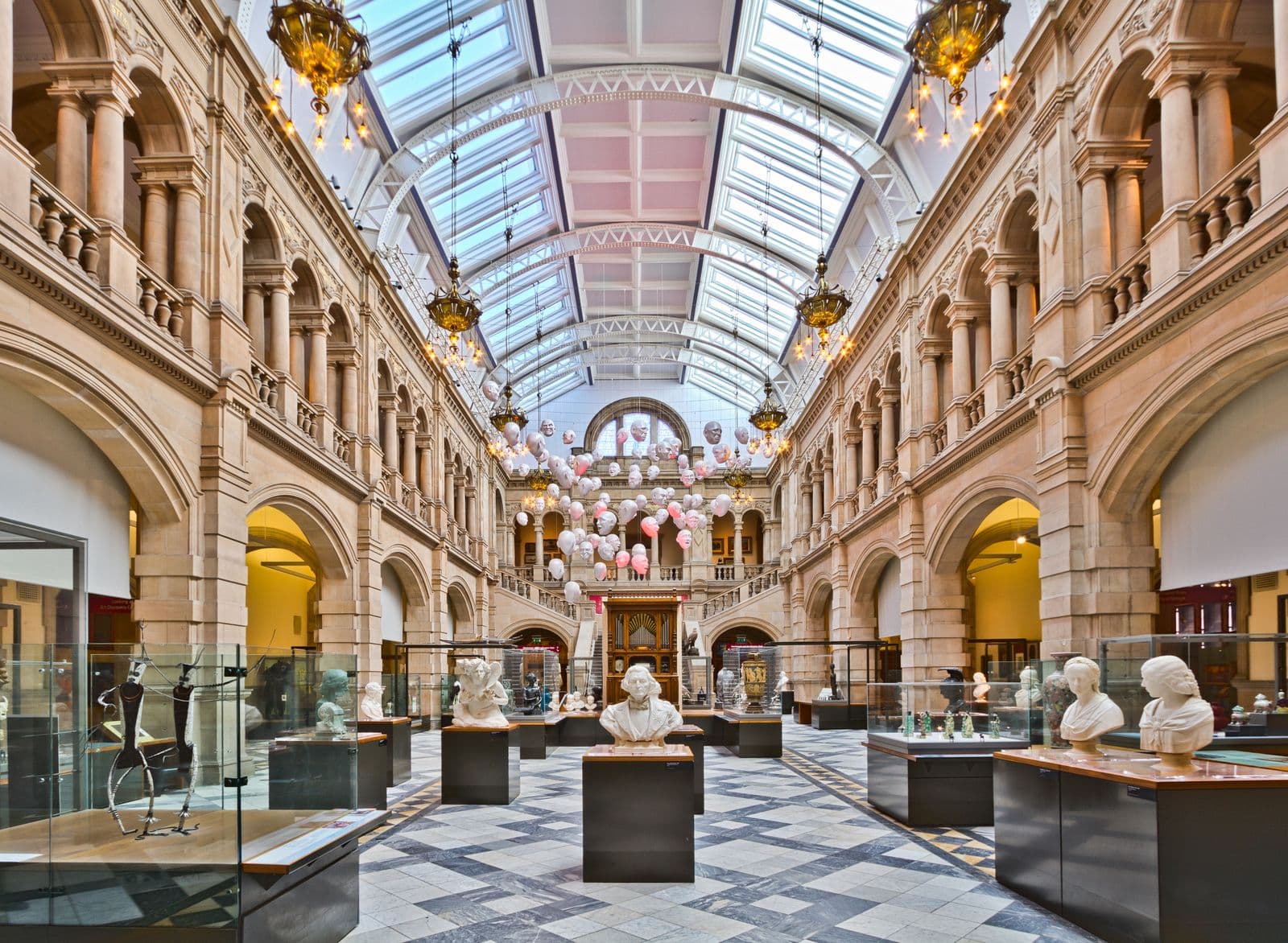
Exhibition space in a museum or art gallery

The Antakya Archaeology Museum, home to one of the world's richest mosaic collections, draws a steady flow of cultural tourists to the region. Beyond the official museum itself, this flow creates an opening for complementary investments: private galleries, themed cultural centers and event spaces.

What Project Types Are Worth Considering?

  • Private art gallery / contemporary art center
  • Themed cultural center (mosaics, crafts, local history)
  • Event and festival space
  • Museum shop / gift shop and experiential workshop

Which Areas Should You Consider?

The area around the Antakya Archaeology Museum is the primary location, benefiting directly from existing visitor traffic. The Titus Tunnel area in Samandağ offers a separate location for an archaeological-tourism-themed cultural center.

Licensing and Permit Process

  • Business opening and operating license
  • Crowd management and security permits for event spaces
  • Public-use standards compliance for the building
  • Regional Board for the Conservation of Cultural Heritage approval, if using a registered building

Incentives and Support

Ministry of Culture and Tourism support for cultural investments, alongside Region 6 incentives, can be relevant for private museum and cultural center projects.

See our Tourism Investment Consulting service

What to Keep in Mind

A private museum or gallery's commercial sustainability rests less on entrance fees than on complementary revenue lines, event rentals, gift shop sales, and cafe or restaurant integration; this multi-revenue model should be planned from the outset.

From the official data

Cultural Heritage Restoration: Public Investment

In the 2026 Investment Programme, culture has the highest project count of any sector: 43 projects (TRY 10.8 billion). Phases 2 and 3 of the Hatay Museum repair (TRY 1.75 billion and TRY 2.50 billion) and the restoration of the Antakya Grand Mosque and Ahmediye Mosque are in the programme.

IndicatorValueYearSource
Hatay Museum repair, phase 2 (2024–2027; spent: TRY 871.4 million)TRY 1.75 billion2026[1]
Hatay Museum repair, phase 3 (2025–2028)TRY 2.50 billion2026[1]
Antakya Grand Mosque restoration (protocol)TRY 120 million2026[1]
Antakya Ahmediye Mosque restorationTRY 52.4 million2026[1]
Culture sector total43 · TRY 10.8 billion2026[1]

What does this data mean for an investor?

The museum's two phases together cost TRY 4.25 billion, which is 39% of the culture sector's value: a large share of the programme's cultural investment goes to a single museum, while the rest of the 43 projects are smaller restorations of mosques, a municipality building and other registered buildings.

What it means for an investor: the reopening timetable of the historic core (museum, grand mosque, bazaar surroundings) is the most concrete public indicator of the visitor potential for tourism investments such as boutique hotels, restaurants and experience centres. Visitor numbers, occupancy and accommodation supply are not in this source; without them no numerical claim about the size of demand can be made.

Limitation: The source covers public restoration investment only; for tourist numbers, accommodation facilities, beds and occupancy the Ministry of Culture and Tourism statistics should be checked separately. Completion years are programme projections.

Tourism: Pre-Earthquake Baseline and the Development Agency's 2025 Records

According to the Hatay Provincial Tourism Strategy and Action Plan of the Eastern Mediterranean Development Agency (DOĞAKA), Hatay had 45 tourism-licensed accommodation facilities, 2,273 rooms and 4,602 beds in 2016 data. These figures describe the situation before the 2023 earthquake; current facility and bed numbers are not in these sources. The agency's 2025 activity report records current tourism projects (Antakya Gastronomy Market, Madenli Yacht Harbour, Hatay Surf Centre).

IndicatorValueYearSource
Tourism-licensed accommodation facilities452016[1]
Rooms · beds2,273 · 4,6022016[1]
Rooms · beds in Antakya (subtotal)754 · 1,5222016[1]
Tourism-licensed food-and-beverage facilities · travel agencies10 · 862016[1]
Average annual tourists (entries to licensed facilities)223,3042009–2015[1]
Average nights · average occupancy (DOĞAKA calculation)1.9 · 34.4%2009–2015[1]
Antakya Gastronomy Market: opened · daily visitors · businesses27.09.2024 · about 3,000 · 152024–2025[2]
Hatay Surf Centre (2025 CMDP): completion targetApril 20262025[2]

What does this data mean for an investor?

About 33% of the pre-earthquake capacity (1,522 beds) was in Antakya's centre. The present state of this capacity cannot be read from these sources; without the Ministry of Culture and Tourism's current licensed-facility data no accommodation supply figure can be given. By DOĞAKA's calculation, average occupancy in licensed facilities during 2009–2015 was 34.4% with 1.9 nights on average: pre-earthquake demand used only a small part of existing bed capacity. The agency read this as roughly two thirds of accommodation capacity going unused.

What it means for an investor: for a new hotel or boutique-lodging decision, the first question should not be “are beds missing?” but “where will occupied beds come from?”; low pre-earthquake occupancy shows the demand side (visitor numbers, length of stay) matters more than the structure. As current demand indicators, Hatay Airport passenger data (the air-traffic block on this page), new visitor-drawing sites such as the Gastronomy Market and the museum's reopening timetable should be followed together (interpretation).

Limitation: Accommodation and visitor figures refer to 2016 and 2009–2015; they rest on Hatay Provincial Directorate of Culture and Tourism data in the DOĞAKA plan and do not reflect the 2023 earthquake. The plan's “occupancy” is a rough ratio of annual tourist numbers to bed capacity, not true room occupancy. The plan's visitor and revenue projections for 2023 should be assumed not to have materialised and are not used as reference. The 2025 items are project statuses from the development agency's activity report; visitor numbers (Gastronomy Market) are the agency's statement.

Figures come from official sources; interpretations are Invest Hatay's own and are not investment advice.

Frequently asked questions about museum & cultural center investment

Rather than competing, choosing a complementary concept (contemporary art, local crafts) can draw a different segment from the same visitor base.

Let's shape your museum & cultural center investment together

Tell us your concept, location and budget, and we'll map out a plan tailored to you.