Skip to content
Invest HatayInvest Hatayby Burç Consulting

Social Infrastructure Investments

With a shifting population structure and a growing student and elderly population, Hatay has rising need for social infrastructure investments, from student housing to community centers.

Why Invest in Social Infrastructure in Hatay?

Mustafa Kemal University's student population creates a steady demand source for student housing and living-complex investments. Changing family structures after the earthquake and growing elder-care needs also bring investments like elder care centers and childcare centers to the forefront.

The need for social spaces in rebuilt neighborhoods also opens an opportunity window for socially beneficial investments, like community centers and women's entrepreneurship centers, that can still build a sustainable revenue model.

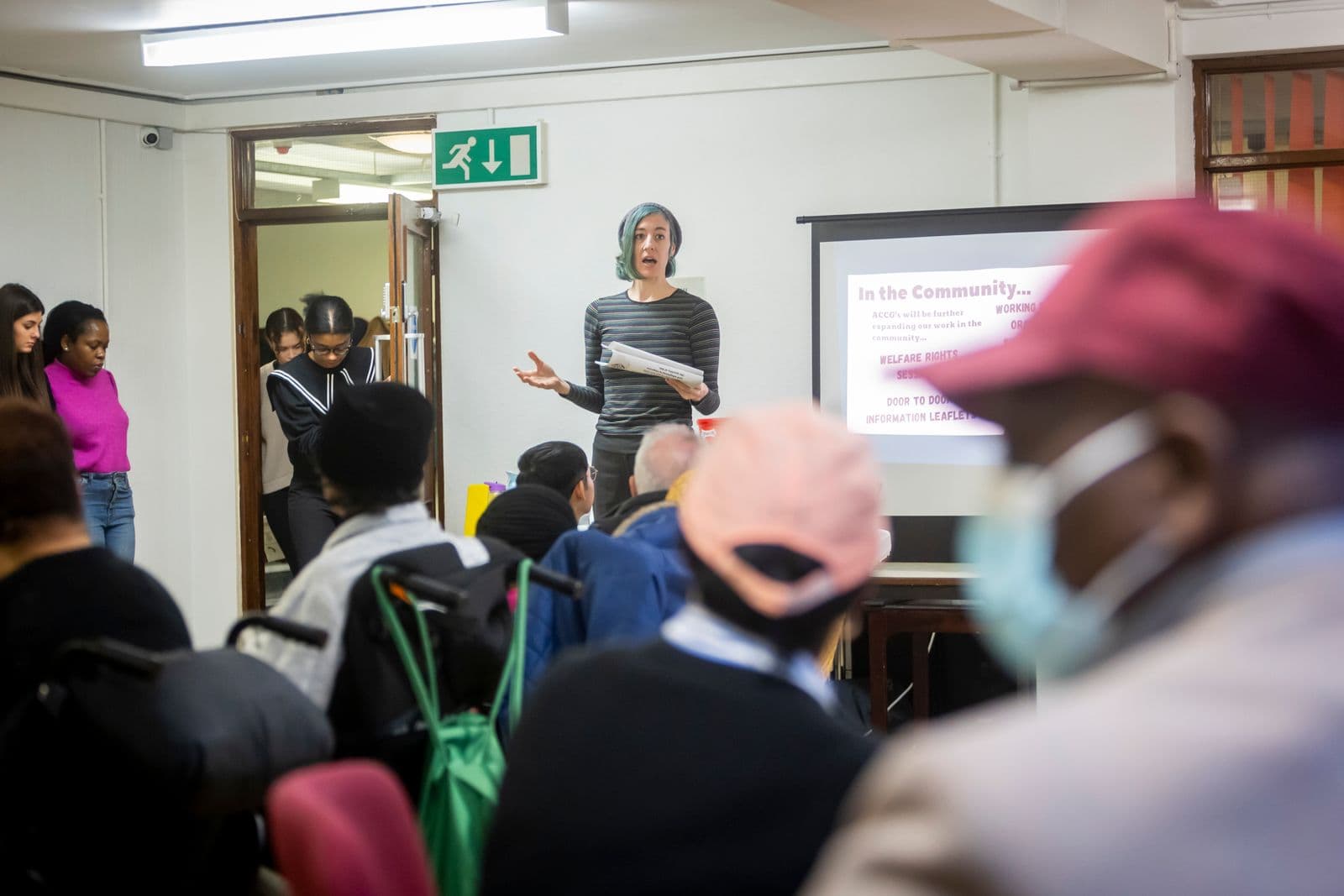
A speaker presenting at a community meeting (illustrative image)

Investable Sub-Types

The main investment types worth considering in social infrastructure.

Student housing
Elder care center
Childcare center
Social living center
Youth center
Women's entrepreneurship center
Cooperative center
Community center

Where Can You Invest?

Districts that stand out for social infrastructure investment.

Around Mustafa Kemal University

A natural demand zone for student housing and living-complex investments.

Antakya and Defne

Need for community centers and child/elder care centers in rebuilt neighborhoods.

İskenderun

An opportunity for childcare centers serving families of industrial zone employees.

Kırıkhan

Proximity to agricultural communities for women's entrepreneurship center and cooperative models.

Investment Models

Different ways to bring your social infrastructure investment to life.

01

Direct Establishment

Building or buying a building to set up your own facility.

02

Public-Private Partnership

Setting up a joint operating model with a municipality or university (particularly for student housing).

03

Foundation / Cooperative Model

Managing the investment through a socially-focused foundation or cooperative structure.

04

Lease / Takeover

Leasing an existing social facility or taking over its operation for a fast start.

Licensing & Permit Process

The core steps to complete before opening a social infrastructure facility.

  • Establishment permit from the Provincial Directorate of Family and Social Services (for care centers)
  • Council of Higher Education/university approval (for student housing)
  • Building compliance report for social facility standards
  • Business opening and operating license
  • Required expertise/certification check for staff
  • Fire safety and accessibility compliance

Incentives & Support

Region 6 incentives apply to social infrastructure investments too. The Ministry of Family and Social Services' incentive and grant programs for elder/child care services can also be considered.

Local Stakeholders

The main institutions you'll be in contact with during the process.

Hatay Provincial Directorate of Family and Social Services
Mustafa Kemal University
Relevant municipal social services unit
Local foundations and associations
Building inspection firms
Professional associations (for care staff certification)

Our Feasibility Approach

The feasibility of a social infrastructure investment rests on data like the size of the target population group (students, elderly, children), the gap in existing capacity, a service-fee/subscription revenue model, and the required staff and expertise level.

Our feasibility work gathers this data for your target audience and turns it into a sustainable operating model.

From the official data

Public Investment Programme: Where the State Is Investing in Hatay

The 2026 Investment Programme published by the Hatay Governorship lists 132 projects for Hatay, with a total project cost of TRY 335.2 billion and a 2026 allocation of TRY 37.4 billion. The 2025 programme had 146 projects, TRY 261.8 billion in total cost and TRY 32.8 billion in allocation. Amounts are nominal lira.

IndicatorValueYearSource
Transport & communications (21 projects)TRY 167.5 billion · 50.0%2026[1]
Agriculture (incl. dams, irrigation, flood control) (10 projects)TRY 95.6 billion · 28.5%2026[1]
Other public services (26 projects)TRY 33.0 billion · 9.9%2026[1]
Health (8 projects)TRY 23.0 billion · 6.9%2026[1]
Culture (43 projects)TRY 10.8 billion · 3.2%2026[1]
Education (23 projects)TRY 4.3 billion · 1.3%2026[1]
Energy (1 projects)TRY 1.0 billion · 0.3%2026[1]

What does this data mean for an investor?

About half of the programme (50.0%) goes to transport and 28.5% to agriculture (mostly dams, irrigation and flood control). Health takes 6.9%, education 1.3% and energy 0.3%. The 2026 allocation is 11.2% of total cost, so most projects are multi-year, with completion spread over 2027–2030.

What it means for an investor: the public programme shows the access and infrastructure base for private investment. The transport weight matters for logistics and trade, irrigation and dams for agricultural production and processing, and hospital and university projects for health, education and housing demand. A project's inclusion in the programme does not guarantee its completion date.

Limitation: The programme excludes 15 projects shared with other provinces (TRY 57.8 billion). Project cost is multi-year and nominal; it is not annual spending or an execution rate. Because culture and tourism were grouped as one sector in 2025 (“Culture-Tourism”) and as “Culture” in 2026, no sector-level year-on-year comparison is made.

Figures come from official sources; interpretations are Invest Hatay's own and are not investment advice.

Frequently asked questions about social infrastructure investment

Not mandatory, but a protocol with the university raises both occupancy rates and credibility. We plan together how this partnership could be set up.

Let's define your social infrastructure investment idea together

Tell us your target audience, facility type and budget, and we'll map out a plan built for you.