
Land vs. Farmland: Key Differences When Choosing Investment Property
9/13/2026 · 7 min read
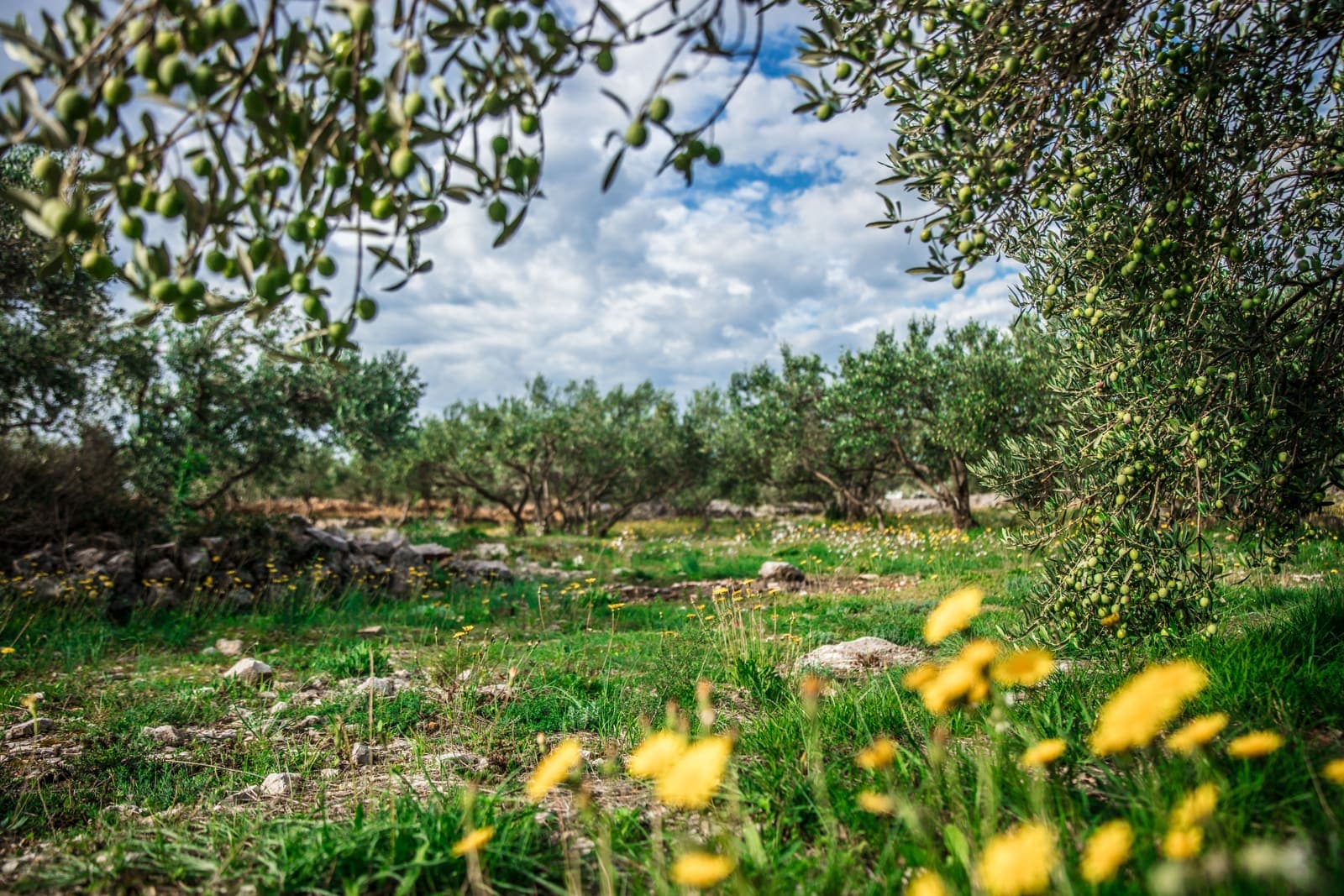
A common question for those seeking investment land: should you buy zoned land or farmland? While the two terms are sometimes used interchangeably in everyday speech, they carry important differences in title classification and building rights.
The Title Classification Difference
'Zoned land' (arsa) refers to a parcel classified in the title deed as open to zoning and suitable for construction. 'Farmland' (tarla) refers to a parcel registered as agricultural land in the title deed, generally closed to construction. What classification a parcel carries in its title deed is the first indicator of what can be built on it.
Building Rights
On a parcel classified as zoned land, construction for residential, commercial or industrial use is possible depending on the current zoning status. On a parcel classified as farmland, construction is largely restricted; generally only limited agricultural structures (a greenhouse or barn, for example) may be possible.
Can Farmland Be Converted to Non-Agricultural Use?
In some cases, converting farmland to non-agricultural use (for example, opening it to zoning) is possible; but this requires approval from the provincial agriculture directorate and the relevant municipality, and is a time-consuming process with no guaranteed outcome. Buying farmland on the expectation that 'it will be zoned eventually' is therefore a strategy that carries significant uncertainty.
Which Should You Choose?
- If you're planning to build in the short-to-medium term: land with a clear, finalized zoning status is the safer choice
- If you're targeting agricultural production (olives, citrus, vegetables, etc.): farmland with good irrigation access and soil quality is worth evaluating
- If you're considering a long-term, speculative land investment: it's important to go in with a clear understanding of the risks
Why the Title Deed Type Matters So Much
A parcel recorded as a building plot may be suitable for construction within a zoning plan, while one recorded as a field, orchard or olive grove is treated as agricultural land and its non-agricultural use requires separate permission. This gap is the main reason two parcels of the same size can differ so much in value. Sites registered as olive groves are also subject to special protection provisions.
Which One Fits Your Investment Goal?
- A zoned building plot if you want to develop housing or a commercial project
- A field or orchard-type parcel for agricultural production, olive or citrus investment
- Parcels in areas where the zoning plan is developing if you expect long-term appreciation (together with the risk of zoning uncertainty)
- If you plan to open farmland to construction later, research in advance whether non-agricultural use permission is possible
In both cases, checking the current zoning status and the title record before buying is essential, and the decision should not rest on the price per square meter alone.
Conclusion
The difference between zoned land and farmland isn't just a labeling issue; it directly affects how your investment will gain value. We review title and zoning status together with you to help you choose the right type of land for your goal.
Related Investment Areas
Real Estate Guides
Related Articles
A Guide to Olive and Farmland Investment in Hatay
Read MoreNew Housing ProjectsNew Housing Projects Built After the Earthquake: What to Check
Read MoreLet's dig into this together
Book a free 15-minute call and we'll answer your questions about what you just read.