
Environment & Circular Economy Investments
Post-earthquake demolition waste and the raw-material need created by growing industrial output open a concrete opportunity window for recycling and circular economy investments in Hatay.
Why Invest in the Environment Sector in Hatay?
Post-earthquake demolition and reconstruction has significantly increased the need for construction waste recycling and waste management services. At the same time, growth at the region's OIZs is increasing demand for industrial wastewater treatment and recovery facilities.
As international buyers, particularly those exporting to Europe, increasingly demand sustainable production standards, recycling and sustainable packaging investments have become both a local and an export-oriented opportunity.
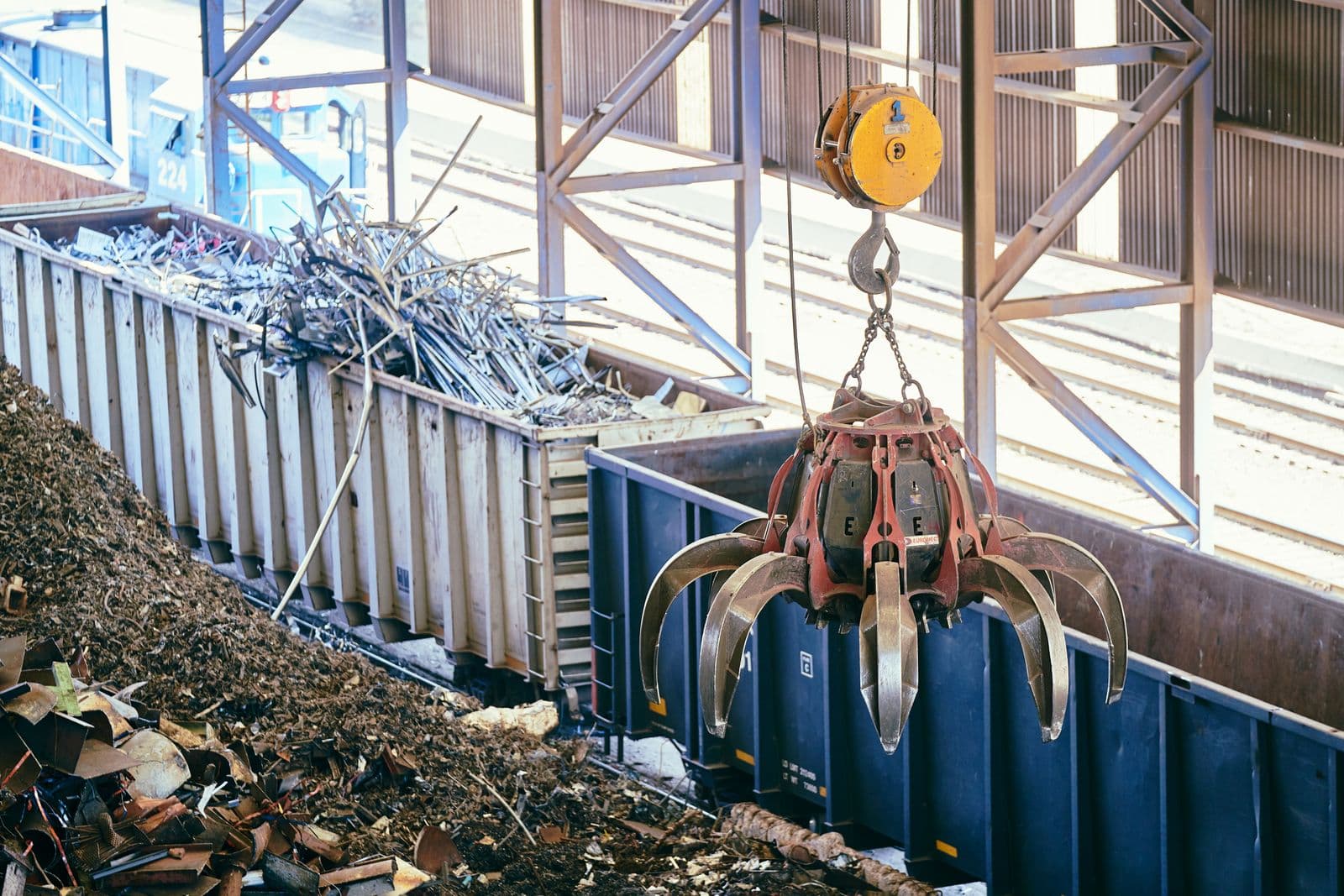
Investable Sub-Types
The main investment types worth considering in environment and circular economy.
Where Can You Invest?
Districts that stand out for environment and circular economy investment.
İskenderun, Erzin, Hassa OIZs
A direct demand source for industrial wastewater treatment and recovery facilities.
Around Antakya
High raw-material potential for post-earthquake construction waste recycling facilities.
Dörtyol and Altınözü
Suitable rural areas for agricultural organic waste and composting facilities.
İskenderun
A logistics advantage for exporting recycled materials, given its port connection.
Investment Models
Different ways to bring your environmental investment to life.
Direct Facility Establishment
Buying land to build a recycling or waste-processing facility.
Municipal Partnership / Service Agreement
Setting up a waste collection and processing service agreement with a municipality.
Joint Venture (JV)
Partnering with a local industrial cluster for direct access to a waste source.
Energy Performance / Recovery Contract
Building a revenue model by offering wastewater treatment or recovery service to an industrial facility.
Licensing & Permit Process
The core steps to complete before setting up an environmental facility.
- Environmental permit/license from the Provincial Directorate of Environment, Urbanization and Climate Change
- Temporary Activity Certificate by waste processing type
- Environmental Impact Assessment (EIA) process
- Zoning status and suitability for industrial/storage use
- Business opening and operating license
- Additional license and transport permits if processing hazardous waste
Incentives & Support
Region 6 incentives apply to environmental and recycling facilities too. Activities under NACE code 38.2 (recovery) are specifically called out for additional support through the end of 2026.
Local Stakeholders
The main institutions you'll be in contact with during the process.
Our Feasibility Approach
The feasibility of an environmental investment rests on data like the volume and type of waste in the region, the gap in existing recycling capacity, domestic and export demand for processed material, and how long the required licensing/permit process takes.
Our feasibility work gathers this data based on the waste type you're targeting, whether construction, plastic, organic or textile.
Frequently asked questions about environmental investment
Related Investment Areas
Let's define your environmental investment idea together
Tell us your target waste type, capacity target and budget, and we'll map out a plan built for you.