Skip to content
Invest HatayInvest Hatayby Burç Consulting

Cold Storage & Packaging Facility Investment

Hatay's citrus, vegetable and olive production regularly outpaces existing cold storage capacity at harvest peaks, creating a direct opening for new cold storage and packaging facilities close to producing districts.

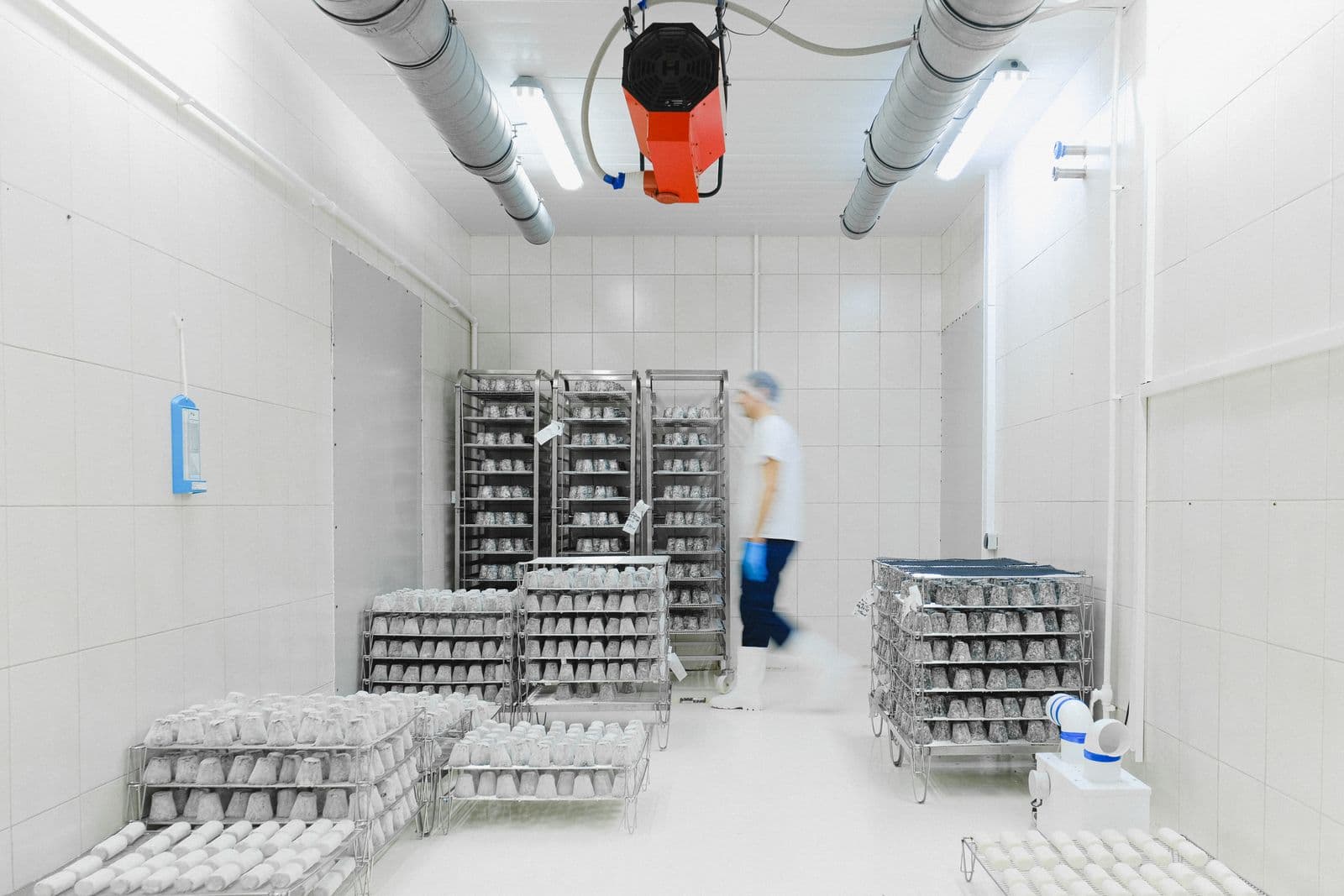
Interior of a cold storage warehouse

Post-harvest loss from insufficient cold storage is a recurring constraint for Hatay's citrus and vegetable producers, particularly during peak season when existing capacity fills quickly. A new cold storage and packaging facility close to producing districts directly extends shelf life and export readiness for the region's agricultural output.

What Project Types Are Worth Considering?

  • Multi-chamber cold storage warehouse
  • Cold storage integrated with a sorting and packaging line
  • Controlled-atmosphere storage for extended citrus shelf life
  • Third-party logistics cold storage serving multiple producers

Which Areas Should You Consider?

Dörtyol and Erzin, at the center of the region's citrus belt, offer the most direct proximity to raw supply. İskenderun adds port access for export-oriented cold-chain operations.

Licensing and Permit Process

  • Food registry certificate for storage and packaging operations
  • Industrial registry certificate
  • Land-use compliance and, where applicable, non-agricultural-use permit
  • Business opening and operating license

Incentives and Support

Region 6 incentives apply to cold storage investments; export-oriented facilities can also draw on Ministry of Trade export support programs.

See our Investment Incentive Consulting service

What to Keep in Mind

Energy cost is a significant ongoing expense for cold storage operations; evaluating on-site solar generation alongside the facility itself can materially improve long-term margins.

From the official data

Citrus Data: Area and Output Breakdown

The report's five citrus lines (Satsuma and other mandarins, Washington and other oranges, lemon-lime) total 938,976 tonnes on 308,452 decares in 2024. Mandarins (509,620 tonnes) make up 54% of that total.

IndicatorValueYearSource
Mandarin (Satsuma)131,217 decares · 337,581 tonnes2024[1]
Orange (Washington)60,458 decares · 234,850 tonnes2024[1]
Lemon and lime36,954 decares · 128,713 tonnes2024[1]
Citrus total (five items in the report)308,452 decares · 938,976 tonnes2024[1]

What does this data mean for an investor?

Satsuma alone is the largest line at 337,581 tonnes; as an early-season fruit it is the first link of fresh-consumption, juice and export chains (its seasonal role is general agricultural knowledge, not derived from the data). Lemon and lime give the highest output per decare at 3.48 tonnes, against 2.57 for Satsuma and 3.88 for Washington oranges.

What it means for an investor: about 940 thousand tonnes of citrus indicate a strong raw-material base in volume terms for processing, grading-packing and cold-chain plants. Because the crop is seasonal, how plant capacity will be used across the year (product diversification, storage) is the main feasibility question.

Limitation: The total includes only the five citrus lines given separately in the report; any citrus within “other fruit” (e.g. grapefruit) is not included. Data are for the 2024 production year; prices, exports and existing processing capacity are not in this source.

Figures come from official sources; interpretations are Invest Hatay's own and are not investment advice.

Frequently asked questions about cold storage & packaging investment

It varies by season and crop; we assess current regional capacity and gaps as part of the feasibility study for your specific target crop.

Let's shape your cold storage & packaging investment together

Tell us your target crop, capacity and budget, and we'll map out a plan tailored to you.